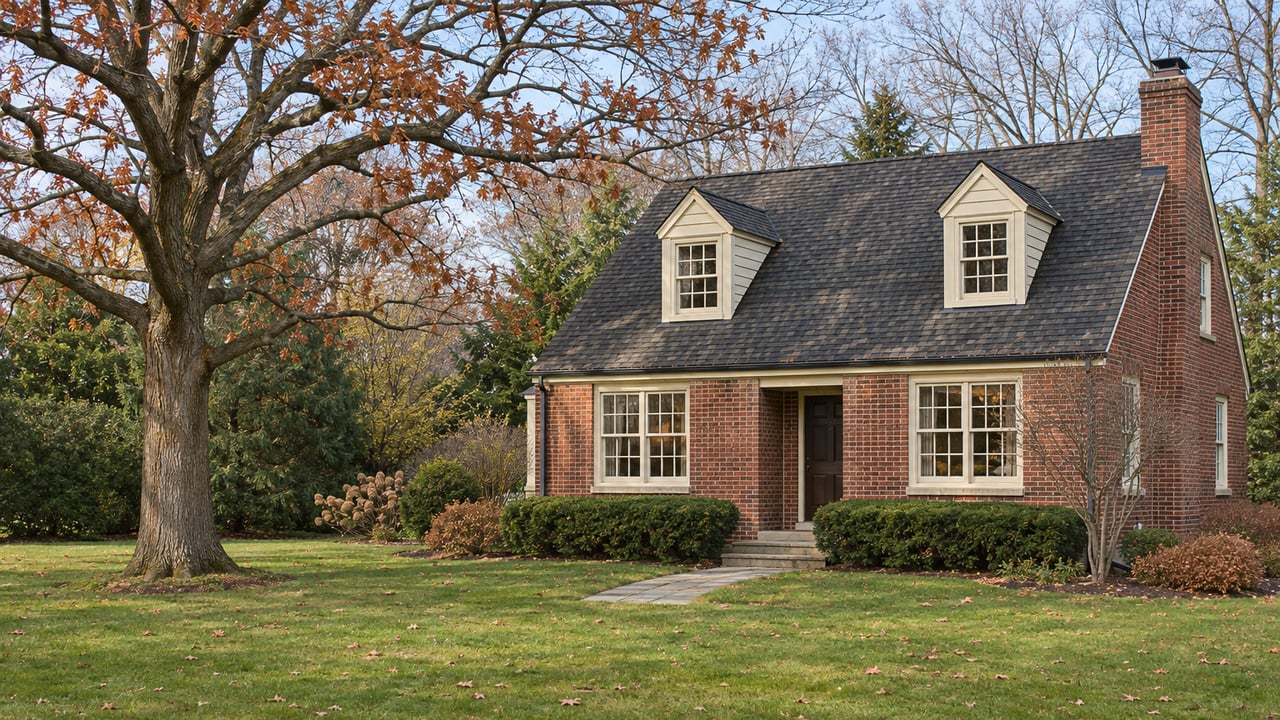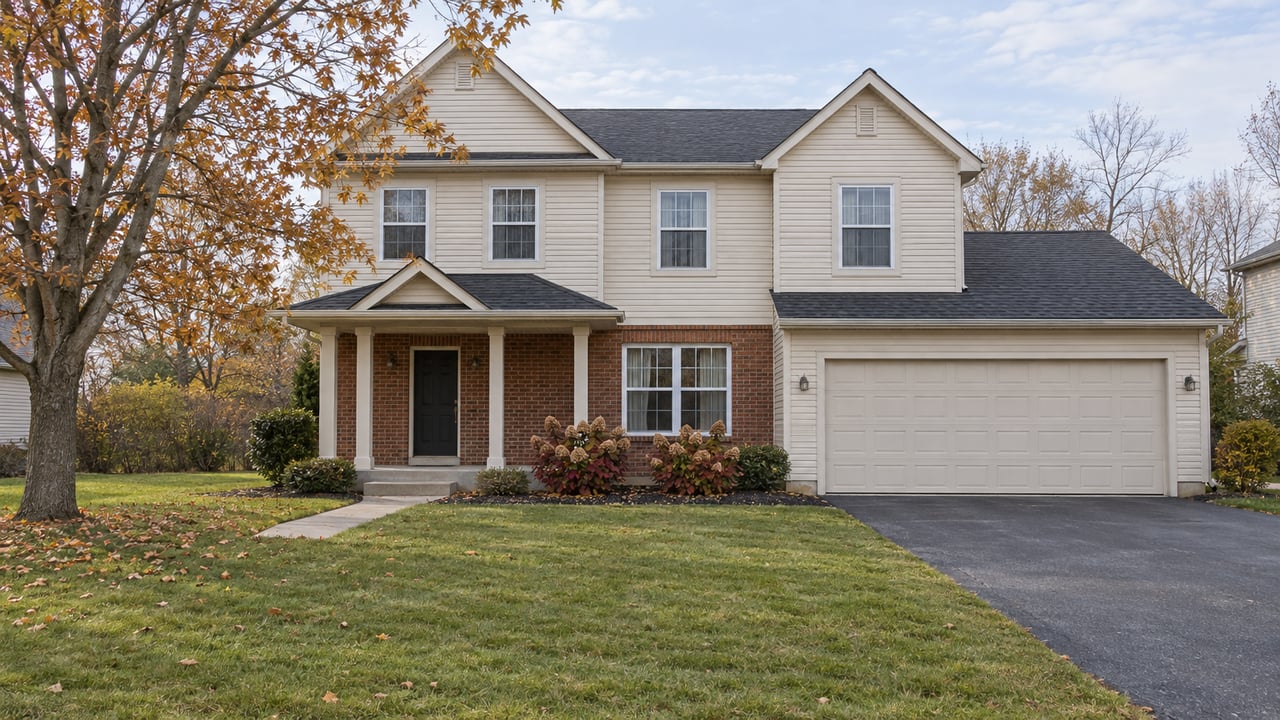
Pull up two listings in Aurora priced within a few thousand dollars of each other, similar square footage, similar age, similar curb appeal. On paper they look interchangeable. Then you check the parcel number. One sits in Kane County and feeds into West Aurora School District 129. The other crosses an invisible line into DuPage County and falls under Indian Prairie Community Unit School District 204. Same city name on the mailing address. Different county collecting the tax bill. Different schools entirely.
This isn't an edge case. It's the ordinary experience of shopping for a home in Aurora, and it's the reason a single "median home price" for the city tells you almost nothing useful. Aurora is one of only three cities in Illinois that spans four counties at once, Kane, DuPage, Will, and Kendall, according to Wikipedia's overview of the city. That geography isn't a footnote. It's the mechanism behind why two nearly identical Aurora homes can carry meaningfully different tax bills and send kids to entirely different school systems.
Why the median price keeps moving depending on who's counting
If you've compared housing data sites while researching Aurora, you may have noticed the numbers don't agree with each other, and not by a small margin. One dataset covering the three months through May 2026 put Aurora's median sale price at $345,000, with homes fielding roughly four offers and selling in about 45 days. A separate snapshot measuring list prices in August 2026 put the median closer to $415,000, with homes spending a median of 30 days on the market.
That gap isn't the market swinging wildly in a few months. It's what happens when you average across a city built from four different tax jurisdictions and three major school systems. A city this fragmented will produce a different "median" depending on which slice of listings happens to dominate the sample that month, whether that's more West Side starter homes pulling the number down or more Stonebridge-area properties near the Indian Prairie boundary pulling it up. The median isn't wrong. It's just not describing one market. It's describing four markets stitched together under one city name.
The line that actually splits the city
The Fox River runs through downtown Aurora and has functioned as an informal dividing line since long before anyone was comparing tax bills online. The city is served primarily by three school systems, West Aurora 129, East Aurora 131, and Indian Prairie 204, according to Chicago Parent's guide to Aurora's school boundaries. West Aurora School District 129 covers the west side of the river, an area with a tradition in Aurora going back to the 1860s, per Wikipedia's history of the district. East Aurora School District 131 covers the east side. The two schools have played an annual football game against each other since 1893, which tells you how long this boundary has mattered to people who actually live here, well before it mattered to anyone's closing statement.
Farther east, past the DuPage County line, Indian Prairie Community Unit School District 204 takes over entirely. It is the fourth-largest school district in Illinois and carries an A+ rating, serving portions of Aurora, Naperville, Plainfield, and Bolingbrook, per naperville.com's overview of the district. It operates on a completely separate boundary map, maintained directly by Indian Prairie's own registration office, and that map does not follow the Fox River at all. It follows county and municipal lines instead.
The Stonebridge neighborhood, built around the Stonebridge Country Club on Aurora's far northeast side, illustrates this well. The club hosted the LPGA Tour's Kellogg-Keebler Classic from 2002 through 2004 and the Ameritech Senior Open on the PGA Tour's senior circuit from 1991 through 1995, so it's not an obscure pocket of the city. Homes there sit in ZIP code 60502 and are zoned for Indian Prairie 204, feeding into Gwendolyn Brooks Elementary and Francis Granger Middle School. Drive a few minutes west and you're back in West Aurora 129 territory. The city limit stayed the same the whole time. The district assignment didn't.
Older Aurora subdivisions understood this well enough to market around it directly. Listings for Brentwood Estates, a custom-home neighborhood near Westfield Shopping Mall, have historically described the subdivision as sitting within what local agents called the "acclaimed Naperville/Aurora 204" school district, language used specifically to separate the address from the West and East Aurora zones. When a subdivision's own marketing leans on which district line it falls inside, that's a strong signal the boundary is doing real work in how buyers evaluate the property, not just an administrative detail.
What the boundary actually costs you
The school district line and the county line tend to move together, and that has a direct dollar consequence. On the DuPage County side of Aurora, the median effective property tax rate runs about 2.51%, compared to the Illinois statewide median of 2.33%. But that 2.51% isn't uniform even within DuPage's slice of the city. ZIP code 60502 carries a median effective rate of 2.54%, which works out to a typical annual bill around $7,837. ZIP code 60504, just a few miles away, sits at 2.50% with a typical bill closer to $6,613. Those ZIP-code typical bills differ by roughly $1,200 a year, but they do not show what similarly valued homes would owe or isolate the effect of school-district levies.
Cross into the Kane County portion of Aurora and the reported typical annual property tax bill is around $7,219, according to SmartAsset's Illinois property tax breakdown. That figure, like the DuPage ZIP-code typical bills, is a broad reference point, not a matched comparison of similarly priced homes; the specific parcel's tax history and levies are what matter.
Here's the number that should reframe how you compare listings in this city:
| What's being compared | Kane County side | DuPage County side (60502) | DuPage County side (60504) |
|---|---|---|---|
| Typical effective tax rate | Not directly comparable (see bill) | 2.54% | 2.50% |
| Typical annual tax bill | ~$7,219 | ~$7,837 | ~$6,613 |
| School district | West or East Aurora | Indian Prairie 204 | Indian Prairie 204 |
The table reports different typical bills across these areas, but it does not compare similarly valued homes or isolate the effect of the county or school-district boundary.
The city itself doesn't hide any of this. Aurora's GIS division publishes a combined city limits and school district map precisely because so many addresses fall close enough to a boundary that residents need a way to check. If a city feels the need to maintain that map for its own residents, it's worth checking before you write an offer, not after you've closed.
What this means when you're actually comparing two listings
A list price tells you what a seller wants. It does not tell you which county will bill you every year or which school your child will be assigned to on the first day of kindergarten. Before comparing two Aurora properties as though they're the same product with different price tags, pull the parcel identification number for each and confirm the county, then cross-check the address against the current school district boundary map rather than assuming based on the mailing city. Boundaries shift with subdivision development, and a map from even a few years back can be outdated in fast-growing pockets of the city.
If you're negotiating on a home near one of these lines, the tax history attached to the specific parcel matters more than any city-wide average you've read. Ask for the last two years of actual bills, not an estimate based on the sale price, since assessed value and market value frequently diverge and the gap varies by county.
A few questions worth settling before you compare prices
How do I find out which county and school district a specific Aurora address falls in? Check the parcel number against the relevant county assessor's site, then confirm the school assignment against the current district boundary map rather than assuming based on the ZIP code or mailing city, since boundaries don't always follow ZIP lines.
Does school district assignment actually affect what a home is worth in Aurora? It's enough of a factor that some subdivisions market themselves specifically by which district they fall into. That's not proof of a price premium on its own, but it tells you buyers weigh it heavily enough that sellers lead with it.
Can I appeal my property tax assessment after buying in Aurora? Yes. Ownwell reports that Illinois counties open an appeal window each spring, and that in DuPage County the window has typically closed around June 1 in recent years. The process and deadline vary by county, so confirm the current window with the county your specific parcel falls in.
Comparing Aurora listings by price alone will leave you blind to the two variables that actually shape your monthly cost and your kids' school assignment. If you're weighing specific addresses and want a read on which county and district lines apply, and what that means for your numbers, reach out to Christopher Cobb for a free home valuation built around the parcel you're actually considering, not a city-wide average.
This article is general information, not legal, tax or financial advice. Consult a qualified professional about your situation.