Do you have a working carbon monoxide alarm within 15 feet of every bedroom? In Illinois, that is not just smart. It is the law. If you live in Westmont, staying compliant also protects your family and keeps your sale or rental on track. In this guide, you will learn the Illinois requirements, best placement, upkeep, and practical steps for homeowners, sellers, buyers, and landlords in Westmont. Let’s dive in.
Why CO alarms matter in Westmont
Carbon monoxide is odorless and invisible. It can make you sick before you realize there is a problem. Federal health agencies report that more than 400 Americans die from unintentional, non-fire CO poisoning each year, and many thousands seek emergency care. You lower this risk when you install and maintain CO alarms where you sleep and live. The CDC explains the health risks and symptoms.
What Illinois law requires
Illinois’ Carbon Monoxide Alarm Detector Act requires at least one approved CO alarm within 15 feet of every room used for sleeping. This has been law since January 1, 2007. Review the statute here: Illinois Carbon Monoxide Alarm Detector Act.
Who is responsible in rentals
- Owners and landlords must supply and install required alarms and ensure they are operable at the start of a lease.
- Tenants must test, perform basic maintenance, and replace batteries after move-in unless the lease says otherwise. Tenants must notify the owner in writing if they cannot correct a problem. See the statute summary for details on roles and allowed devices: Illinois code summary.
Allowed devices and exemptions
- Allowed types: battery-powered, plug-in with battery backup, or hardwired with battery backup. Combination smoke/CO units are allowed if they meet the correct standards and use distinct alerts.
- Possible exemptions: some all-electric homes without an attached garage and without nearby CO sources may qualify. Exemptions require a local building official’s determination. For questions or complaints, contact Westmont Code Enforcement.
- Willful failure to install or maintain required alarms can result in penalties under Illinois law. Read device and exemption details in the Illinois code summary.
Where to place CO alarms
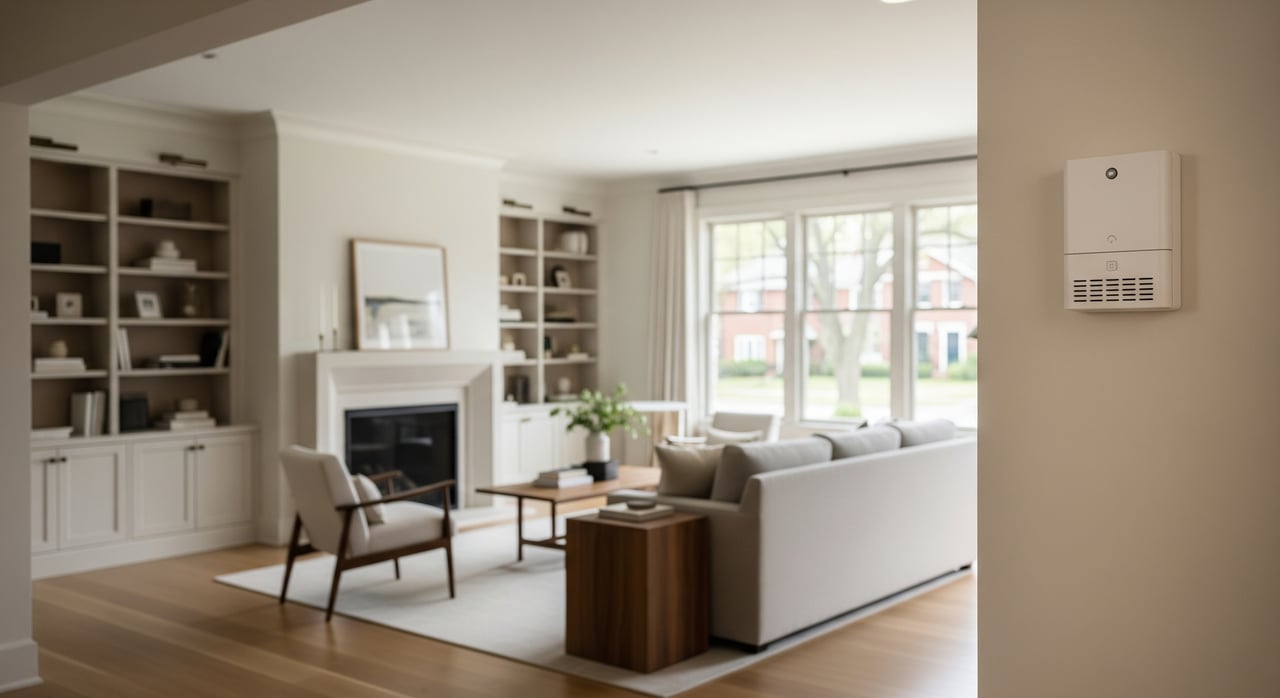
The legal minimum is at least one approved alarm within 15 feet of each sleeping room. Many safety authorities recommend broader coverage: outside each sleeping area and on every level, including the basement. Interconnected alarms are ideal so all units sound together. See industry guidance that reflects NFPA recommendations: CO detection placement and standards.
Follow product standards
Choose UL-listed alarms that meet UL 2034 for CO detection. Combo smoke/CO units should meet each standard and use clear, different signals. Learn more about standards from the CPSC’s CO alarm resources.
Avoid poor locations
Follow the manufacturer’s instructions. Do not install alarms right next to fuel-burning appliances, inside kitchens, or directly by vents or fans where air movement may affect readings.
Maintenance and replacement
- Test monthly.
- Replace standard batteries at least once a year unless your unit has a sealed 10-year battery. A simple habit is to change batteries when clocks change, as noted by the CPSC’s seasonal safety reminder.
- CO sensors wear out. Most units need replacement every 7 to 10 years. Check the manufacture date on the device and follow the manual. Many alarms have an end-of-life chirp. See manufacturer guidance on replacement intervals from Kidde.
What to do if an alarm sounds
Treat every alarm as real. Get everyone to fresh air immediately. Call 911 from a safe location and do not re-enter until responders say it is safe. If anyone has headache, dizziness, nausea, confusion, or loss of consciousness, seek medical care. Review health steps in the CDC overview.
Checklist for Westmont homeowners
- Confirm at least one alarm within 15 feet of each sleeping room. Add alarms on every level, including the basement, for better protection.
- Consider extra alarms near attached garages and near fuel-burning equipment.
- Test monthly and track battery changes.
- Check the manufacture date and replace units per the manual, often 7 to 10 years.
- Keep manuals, receipts, and a simple log of installation and replacement dates.
Checklist for Westmont sellers
- Install any missing alarms before listing and verify they work.
- Document alarm locations and manufacture dates for your disclosures or home information packet.
- Interconnected or whole-home coverage can add peace of mind for buyers and help avoid last-minute hiccups.
- Confirm compliance with Illinois law to prevent delays at inspection or closing. Review the law here: Illinois Carbon Monoxide Alarm Detector Act.
Checklist for Westmont buyers
- During the inspection or final walk-through, verify presence, testability, and that units are UL-listed.
- Check the manufacture date. Ask for replacement of any expired or end-of-life units.
- Request written confirmation that all alarms are functional at closing. See product standard background via the CPSC’s CO alarm resources.
Checklist for Westmont landlords and property managers
- Supply and install required alarms and confirm they work at move-in.
- Give tenants written instructions on testing and maintenance.
- Keep records of installation dates and tenant notices.
- Ask tenants to report problems in writing and schedule prompt repairs. See roles and responsibilities in the Illinois code summary.
Local contacts and enforcement
Westmont enforces Illinois safety requirements through local code and property maintenance processes. For questions, exemptions, or to report a concern, contact Westmont Code Enforcement. The Westmont Fire Department is also a resource for general safety questions.
Staying compliant protects your household and supports a smoother sale or lease. If you are planning to buy or sell in Westmont and want a quick safety readiness check as part of your prep, connect with Christopher Cobb for trusted local guidance.
FAQs
Are CO alarms legally required in Westmont single-family homes?
- Yes. Illinois law requires at least one approved CO alarm within 15 feet of each room used for sleeping in every dwelling unit.
Who installs CO alarms in a Westmont rental?
- The owner or landlord must supply and install alarms and ensure they work at the start of the lease; tenants test and handle routine battery changes unless the lease says otherwise.
Can a smoke and CO combo unit meet the rule?
- Yes, if it meets the standards for both smoke and CO and uses distinct alerts to differentiate hazards.
Do I need hardwired CO alarms?
- The statute allows battery-powered, plug-in with battery backup, or hardwired with backup. Interconnected systems are recommended but not always required.
How do I request an exemption for an all-electric unit?
- Exemptions are case-by-case. Contact Westmont’s building or code office. A local official must determine if your unit meets the criteria.
What should I do if my CO alarm chirps?
- Check the manual. A chirp can signal a low battery or end-of-life. If the alarm indicates CO or you feel symptoms, get to fresh air and call 911.