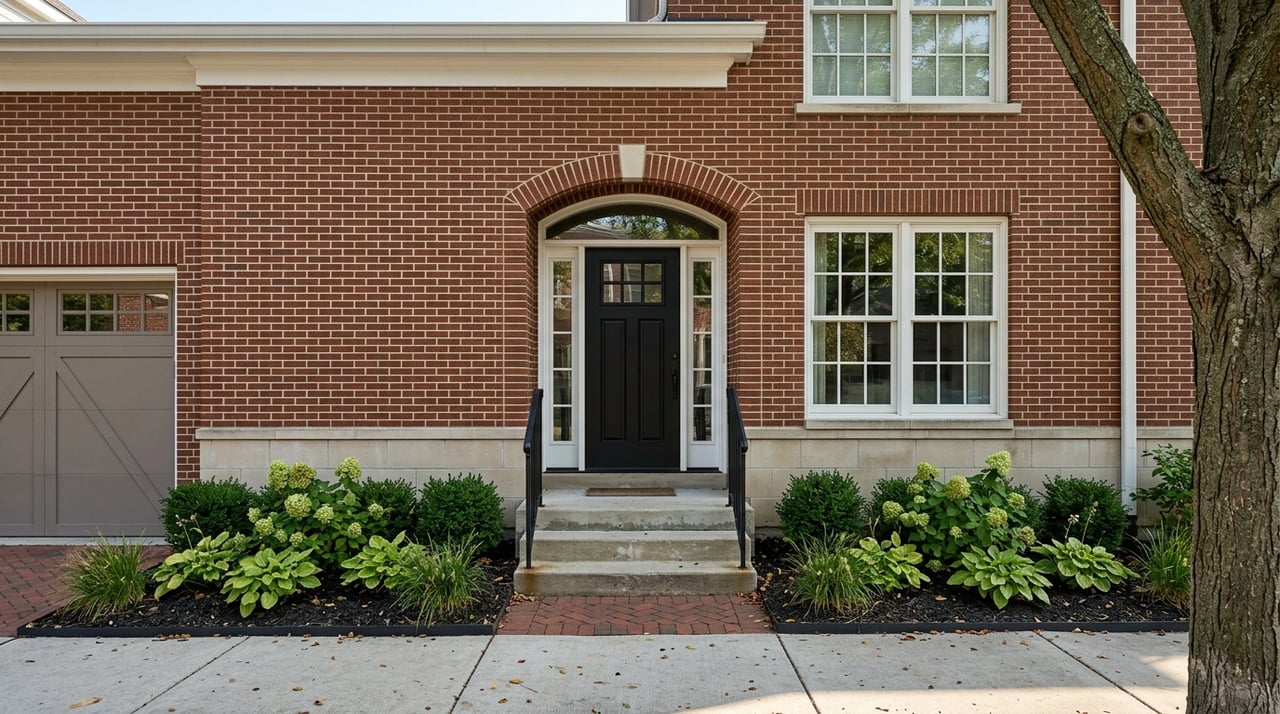
Want the convenience of downtown Naperville without the upkeep of a large yard? Condo and townhome living can be a smart fit if you want walkability, easier maintenance, and quick access to the Riverwalk, dining, and the downtown train station. The key is knowing what you gain, what you give up, and what details matter most before you buy. Let’s dive in.
Why downtown Naperville feels different
Downtown Naperville is designed as a pedestrian-oriented district with a dense mix of residential, retail, dining, office, hospitality, and civic uses. The city’s downtown plan also supports multi-family housing, mixed-use buildings, and townhome or row-house style development near the core.
For you as a buyer, that usually means a more urban layout than you may find in other parts of Naperville. You may get shared walls, common areas, and structured or assigned parking in exchange for a location that puts daily conveniences close to home.
What condo and townhome living looks like
Not every attached home downtown works the same way. Some properties are true condominiums in mixed-use or multi-unit buildings, while others are townhomes that may be part of a common interest community.
That matters because ownership, maintenance, and association rules can differ. In simple terms, the exterior systems, common areas, and shared expenses may be handled differently depending on the legal structure of the property.
Condos often focus on shared systems
With a condo, you are typically buying your unit along with an interest in common elements. In a downtown setting, those common elements may include hallways, elevators, roofs, façades, garages, and building utilities.
Because of that, your monthly HOA fee is only part of the picture. You also want to understand the building’s reserve funds, budget strength, and whether any major repairs or special assessments may be ahead.
Townhomes may offer a different setup
Townhomes often give you a more private entry and a layout that feels closer to a traditional house. But many Illinois townhomes are still governed by an association if owners share costs for common areas, insurance, maintenance, or taxes tied to the community.
That means low-maintenance living still comes with documents, budgets, and rules to review. If you are comparing a condo to a townhome, do not assume the townhome automatically means fewer restrictions or lower long-term costs.
The lifestyle draw of downtown
The biggest reason buyers choose downtown Naperville is simple: location. You are close to the places and experiences that shape daily life, from coffee shops and restaurants to seasonal events and the Riverwalk.
The Riverwalk remains one of the area’s signature amenities. The city describes it as the Crown Jewel, with 1.75 miles of brick paths, bridges, fountains, outdoor art, recreational features, and event spaces along the West Branch of the DuPage River.
Riverwalk access adds everyday value
If you picture morning walks, weekend strolls, or meeting friends without getting in the car, downtown living can deliver that kind of routine. Being near the Riverwalk often becomes part of how residents use the area day to day, not just a nice feature on paper.
Water Street is one example of the amenity mix that adds to that experience. Along the riverfront, the district includes shops, restaurants, an events venue, and Hotel Indigo in a concentrated downtown setting.
Walkability keeps improving
The city continues to invest in the downtown experience through its Downtown Progress in Progress initiative. That work includes streetscape improvements, accessibility upgrades, road reconstruction, utility replacement, and a coordinated wayfinding plan.
For you, that means downtown is not standing still. The area is being actively improved to support how people move through it on foot and by car.
Parking and transit matter more than buyers expect
Many buyers focus first on finishes, floor plan, or balcony space. In downtown Naperville, parking and transit details can affect your daily routine just as much.
Naperville has two commuter rail stations, including the downtown station at 105 E. 4th Ave. Metra lists that station on the BNSF line in fare zone 4, and it has 1,652 parking spaces.
The city also says downtown parking includes about 3,000 public spaces in surface lots and parking decks. In addition, the Central Business District permit program offers no-cost annual parking permits for eligible downtown employees and residents, with residential permits limited to downtown properties and issued through the building owner or manager.
Ask exactly how parking is assigned
This is one of the most important questions to answer before you make an offer. A unit may include private garage parking, assigned surface parking, guest parking, city permit access, or some combination of the above.
Do not rely on a general statement that parking is available. You want to know how many spaces come with the unit, whether they are deeded or assigned, where guests park, and what role the city permit system plays.
Why attached homes command a premium
Downtown Naperville is a premium submarket within the broader city. Redfin’s March 2026 data showed a downtown median sale price of $906,000 compared with $539,000 citywide.
That gap helps explain why downtown buyers tend to be selective. You are often paying more for proximity to the Riverwalk, the restaurant core, and the downtown commuter station, so the details of the unit and association matter even more.
Inventory is also a factor. In late May 2026, Redfin showed 26 condos and 129 townhouses for sale across Naperville, which suggests attached-home buyers may need patience when waiting for the right combination of location, layout, parking, and HOA health.
What to review before you buy
Downtown condo and townhome purchases in Illinois are document-heavy for a reason. The paperwork can tell you a lot about the true cost of ownership and the day-to-day rules you will live with.
For condo resales, Illinois law requires sellers to make available key information such as governing documents, lien information, anticipated capital expenditures, and the status and amount of any reserve-for-replacement fund. For initial condo sales, required materials include documents such as the declaration, bylaws, projected operating budget, and floor plan.
For common interest communities, including many townhome associations, Illinois law requires recordkeeping that can include reserve study information, along with budget and reserve details made available to members.
Focus on more than the monthly HOA fee
A low monthly fee can look attractive at first glance. But in a downtown building, major shared systems like elevators, garages, roofs, façades, and common-area utilities can create meaningful reserve needs.
That is why the better question is not just, “What is the fee?” It is, “What does the fee cover, how strong are reserves, and are there planned expenses that could change my cost later?”
Key questions to ask
Before you move forward, make sure you get clear answers to questions like these:
- What does the HOA fee cover?
- Is there a current reserve study or reserve summary?
- Are any special assessments planned or under discussion?
- How are owner and guest parking handled?
- Are there rental restrictions?
- Are there pet rules or move-in requirements?
- Are there current city projects that may affect access nearby?
These are the issues most likely to shape your daily experience after closing.
Condo or townhome: which fits you best?
A condo may be the better fit if you want a lock-and-leave lifestyle and are comfortable with more shared systems and common areas. A townhome may appeal more if you want a little more separation, a private entrance, or a layout that feels more like a traditional home.
Neither option is automatically better. The right choice depends on how you live, how often you commute, how much privacy you want, and how comfortable you are with association structure and fees.
How to shop smart in downtown Naperville
The most successful buyers stay practical. It is easy to fall for a stylish kitchen or a great Riverwalk location, but the smartest purchase usually comes down to the details behind the walls and in the association records.
As you compare properties, keep your focus on four things: lifestyle fit, parking, building finances, and long-term ownership rules. When those line up with the location you want, you are much more likely to feel confident in your purchase.
Downtown Naperville attached-home living can be a great match if you want access, convenience, and a lower-maintenance routine in one of the city’s most active areas. If you want expert help comparing condos, townhomes, HOA details, and downtown value, connect with Christopher Cobb for local guidance tailored to your move.
FAQs
What is downtown Naperville condo living like?
- Downtown Naperville condo living typically means a more urban setup with shared walls, common areas, building amenities, and close access to the Riverwalk, shops, restaurants, and the downtown train station.
What should you check before buying a downtown Naperville townhome?
- You should review the association structure, monthly fee, budget, reserve information, parking setup, rental rules, pet rules, and any planned assessments or nearby city projects that may affect daily access.
Does downtown Naperville have enough parking for condo owners?
- Downtown Naperville has both private building parking and a broader municipal parking system, but buyers should verify exactly how parking is assigned to a specific unit and how guest parking works.
Why do downtown Naperville attached homes cost more?
- Downtown Naperville is a premium submarket, and buyers often pay more for close access to the Riverwalk, the restaurant core, and the downtown commuter station.
Are condo documents important in an Illinois purchase?
- Yes. Illinois condo and common interest community purchases involve important disclosures and records, including governing documents, budget details, reserve information, and in some cases anticipated capital expenditures or reserve fund status.