Looking for a downtown area that feels practical on a Tuesday morning and fun on a Saturday night? Westmont’s village core stands out because it gives you both. If you want a suburb with a walkable center, easy train access, and a steady rhythm of local events, this area is worth a closer look. Let’s dive in.
Westmont’s core feels compact
Westmont is a relatively small DuPage County suburb of about six square miles, with roughly 23,724 residents and 10,694 households. That scale shapes the day-to-day experience in a big way. Instead of feeling spread out, the village core feels easier to navigate and more personal than many larger suburbs nearby.
The downtown area still centers on the railroad station and the streets around Cass Avenue, Burlington Avenue, Quincy Street, and the Westmont Metra station. The village’s 2026 downtown rezoning work is focused on reinforcing a main street storefront pattern, increasing walkability near the station, and creating a more distinct downtown residential district along Burlington and Quincy. For you, that points to a core designed around daily use, not just pass-through traffic.
Daily errands are close by
One of the biggest lifestyle draws in Westmont’s village core is convenience. The official local business mix includes restaurants, coffee shops, bakeries, retail, specialty retail, grocery and convenience stores, salons, fitness, and health-related services. That means your routine can stay local for many of the small stops that fill an average week.
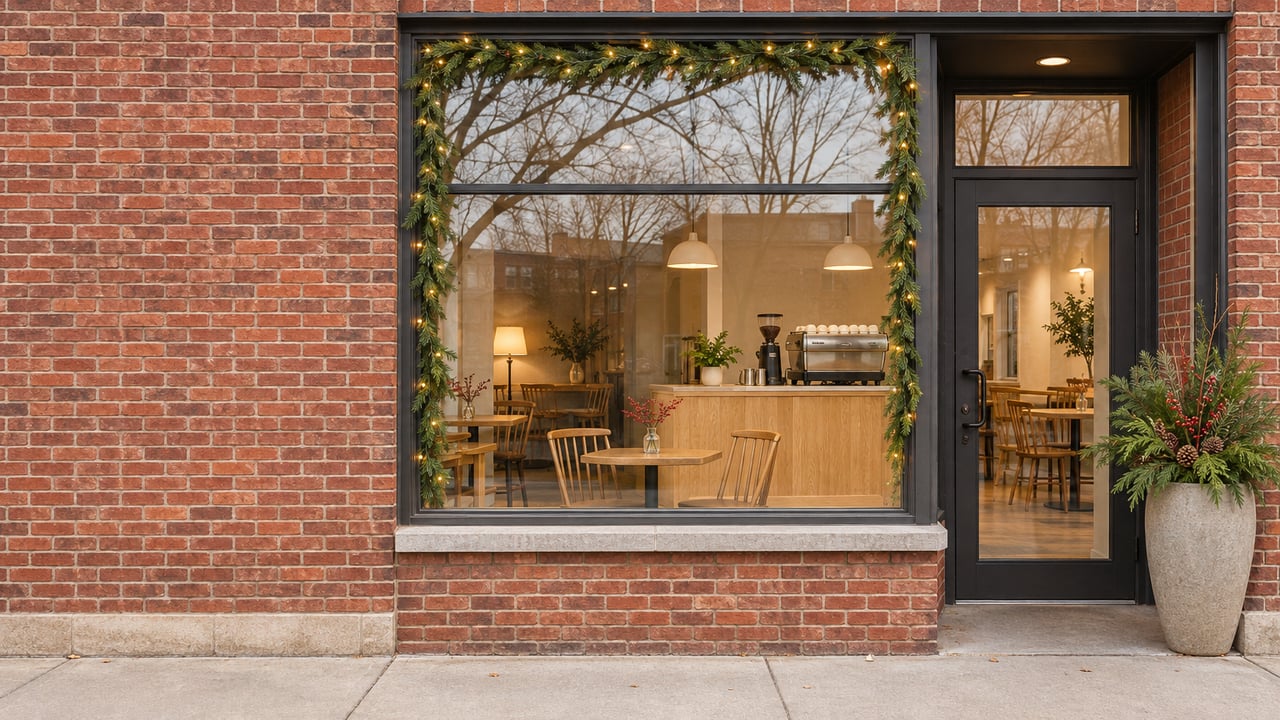
A few downtown spots help illustrate that mix. Brewed Awakening Coffee House sits right across from the Westmont Metra station on Quincy Street, and The Framemakers is on North Cass Avenue in the downtown area. The local restaurant lineup also includes names such as NEAT Kitchen + Bar, Dolce’s Restaurant & Wine Bar, J. Fleming’s, Taste Greek Street Food, and DJ’s Sports Bar & Grill.
What matters most is the pattern. In Westmont’s core, coffee, lunch, dinner, and quick shopping trips can be clustered close to the station and the main downtown blocks. If you value being able to accomplish more without a long drive between stops, that is a meaningful everyday advantage.
Community events add energy
A walkable downtown is even more appealing when it has a reason to gather people throughout the year. Westmont’s event calendar gives the village core that extra sense of activity. The downtown area is not just where businesses are located. It is also where many of the community’s seasonal events unfold.
The village’s 2026 schedule includes WSEC Cruisin’ Nights on Thursdays in June, July, and August in downtown Westmont. Taste of Westmont is scheduled for July 9 through 12, Restaurant Week ran from February 21 through March 1, and Holly Days wraps up the year with a parade, tree lighting, and Santa events in downtown. The annual Memorial Day Parade also travels south on Cass Avenue through downtown and ends at Veterans Memorial Park.
For you as a buyer, that event mix says a lot about the area’s personality. The core functions as more than a train stop or business strip. It becomes a shared backdrop for summer nights, holiday traditions, and community gatherings throughout the year.
Parks and recreation support daily life
Westmont’s village core also benefits from nearby recreation assets. The Westmont Park District Community Center is located inside Veterans Memorial Park at 75 E. Richmond, just one block off Cass. The facility includes a gymnasium, six multipurpose rooms, a dance studio, and two kitchens.
That setup gives the area more than passive green space. It creates a practical recreation hub for classes, activities, rentals, and gatherings. The Park District also lists Veterans Memorial Park and Ty Warner Park among its park assets, adding to the range of nearby options.
If you are thinking about everyday livability, this matters. It is one thing to have shops and restaurants close by. It is another to have recreation and event space woven into the same part of town.
Transit is a major advantage
For many buyers, the biggest lifestyle benefit in Westmont’s village core is transportation. The Westmont station, located at 18 West Quincy, sits on Metra’s BNSF line between Chicago Union Station and Aurora. That gives you a direct connection to a major regional transit route from the center of town.
The village also notes access to I-88, I-55, I-294, and I-355, along with nearby access to O’Hare and Midway. Whether you commute into the city, travel around the western suburbs, or need to get to the airports with some regularity, that network adds flexibility to daily life.
Even if you are not a daily train rider, being near a station often supports the kind of compact, connected layout many buyers want. In Westmont, the transit piece helps tie together the walkable downtown feel with practical regional access.
Westmont works for more than commuters
It would be easy to view the village core only through a commuter lens, but Westmont also has its own employment base. The village identifies several business districts, including the downtown central business district and Pasquinelli Drive Office Park. According to the village, Pasquinelli Drive is home to more than 100 corporate offices along with medical, lodging, research, and daycare uses.
That broader employment presence adds another layer to the local lifestyle story. Some residents may commute to Chicago or elsewhere in the region, while others may work closer to home. Either way, Westmont’s core benefits from being connected to both local business activity and the larger metro area.
Housing options are varied
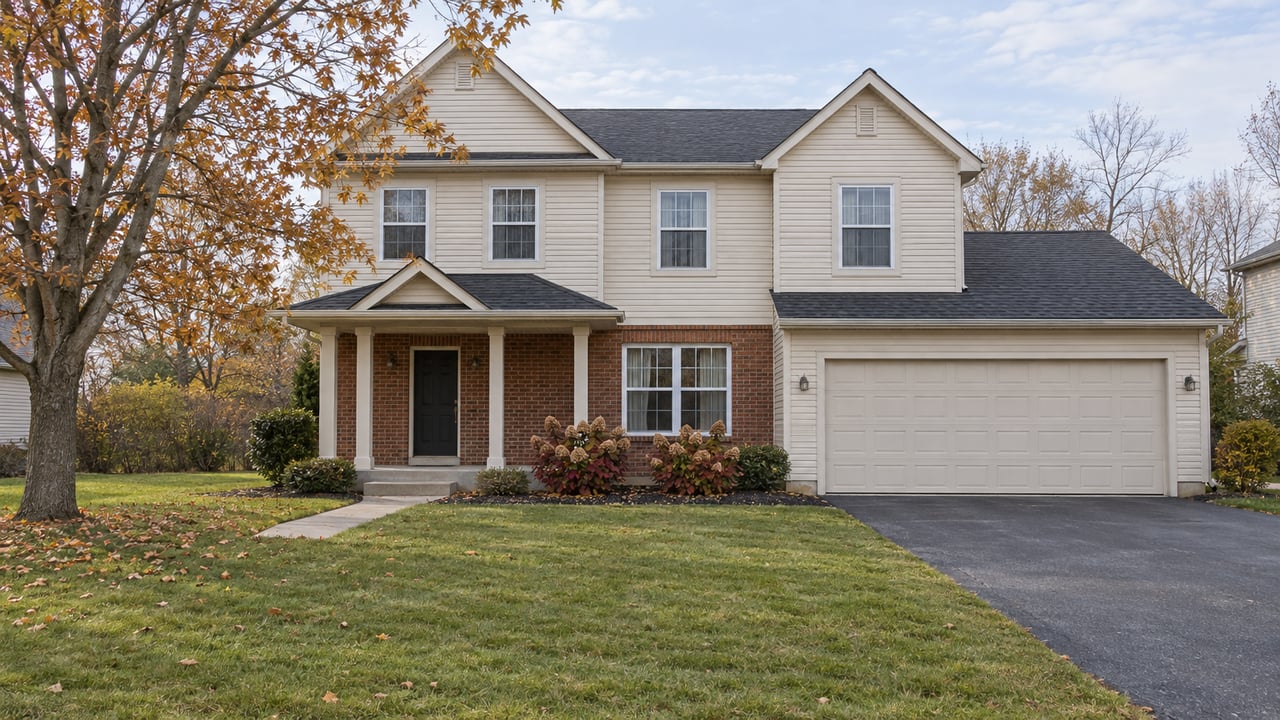
If you are considering a move to Westmont, it helps to know that the housing story near the village core is mixed, not one-size-fits-all. CMAP data for 2020 through 2024 show that Westmont’s housing stock is 40.8% detached single-family, 8.4% single-family attached, and 43.0% in buildings with five or more units. That mix supports a range of lifestyles and budgets.
The same data show 55.1% owner-occupied housing, while Census QuickFacts lists a median owner-occupied home value of $379,100. In the current market, Realtor.com shows a median listing price in the range of about $389,500 to $399,700, and Redfin reported a median sale price of $442,000 in March 2026. Active listings cited in the research include options from about $232,000 for a condo up to $600,000 for a contingent home, with townhomes and houses in between.
That range is important if you are trying to match a lifestyle goal with a realistic purchase plan. The village’s new R-7 Downtown Residential district is intended to accommodate a variety of residential building forms, including rowhomes and multi-unit buildings, while allowing existing single-family homes to remain. In practical terms, the downtown-adjacent area fits well with buyers who want a more walkable suburb and want choices beyond only detached homes.
What everyday life can look like
In simple terms, Westmont’s village core supports a lifestyle built around convenience, connection, and variety. You can picture a morning coffee near the station, a quick errand on Cass, a class or activity at the Community Center, and dinner downtown without needing to map out a complicated route across town. That is the value of a compact core that is set up for daily use.
It also offers something many buyers are looking for in the western suburbs: a smaller-scale downtown that still feels active. The mix of shops, transit, parks, and events helps the area feel functional during the week and social on weekends. If that balance is high on your list, Westmont deserves a serious look.
If you are exploring Westmont or comparing walkable suburban options across the western Chicago suburbs, Christopher Cobb can help you make sense of the market and find the right fit for your goals.
FAQs
What is the village core in Westmont?
- The village core refers to the downtown area centered around Cass Avenue, Burlington Avenue, Quincy Street, and the Westmont Metra station.
What makes downtown Westmont walkable?
- Downtown Westmont has a compact street pattern, a cluster of everyday businesses near the station, and village planning efforts focused on strengthening walkability and a main street layout.
What kinds of businesses are in Westmont’s downtown area?
- The local business mix includes coffee shops, bakeries, restaurants, retail, grocery and convenience stores, salons, fitness, and health-related services.
What events happen in downtown Westmont?
- The village calendar includes events such as WSEC Cruisin’ Nights, Taste of Westmont, Restaurant Week, the Memorial Day Parade, and Holly Days in downtown Westmont.
How does the Westmont Metra station support daily life?
- The Westmont station on the BNSF line connects the village core to Chicago Union Station and Aurora, giving residents a convenient regional transit option.
What types of homes are available near Westmont’s village core?
- Westmont’s broader housing mix includes condos, townhomes, attached homes, multi-unit residences, and detached single-family homes across a range of price points.