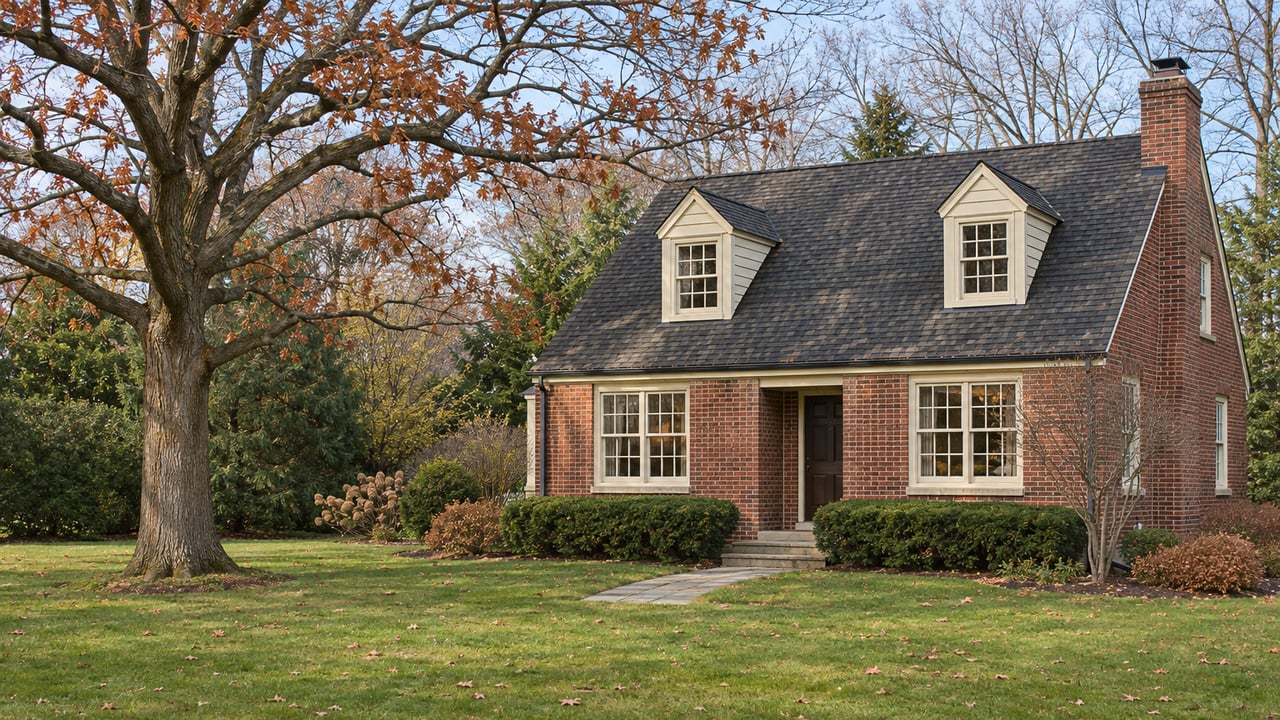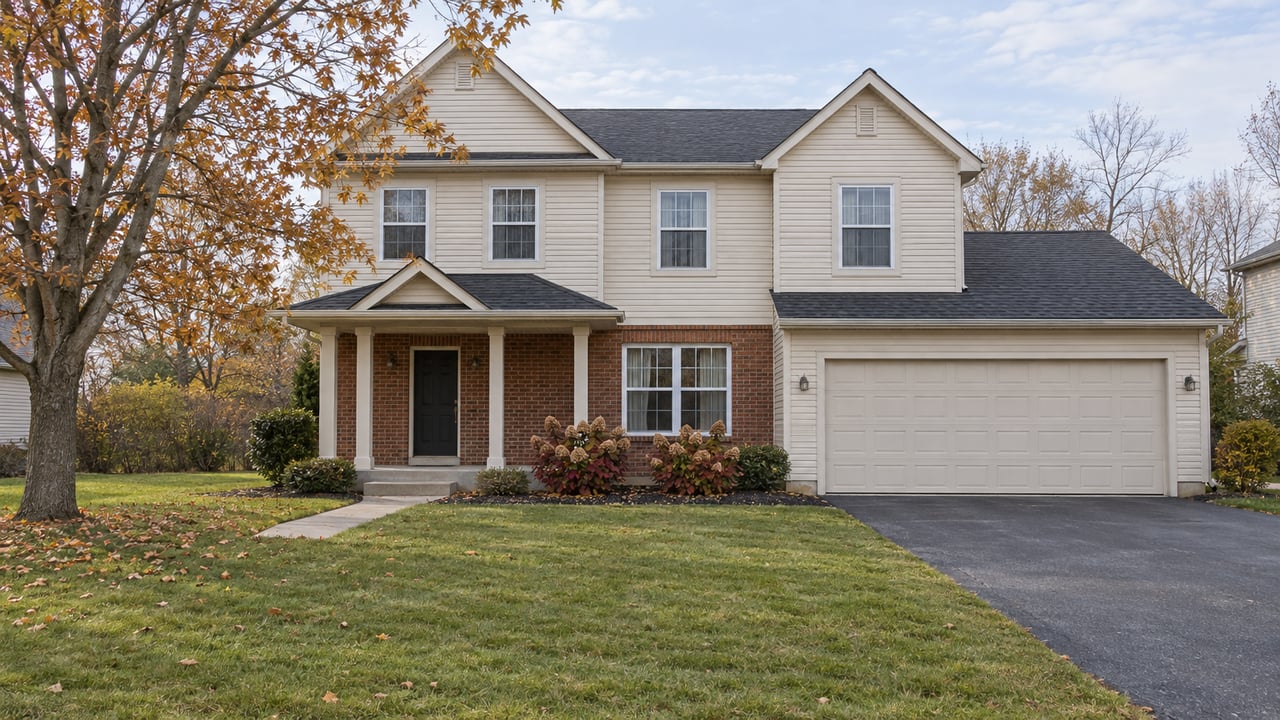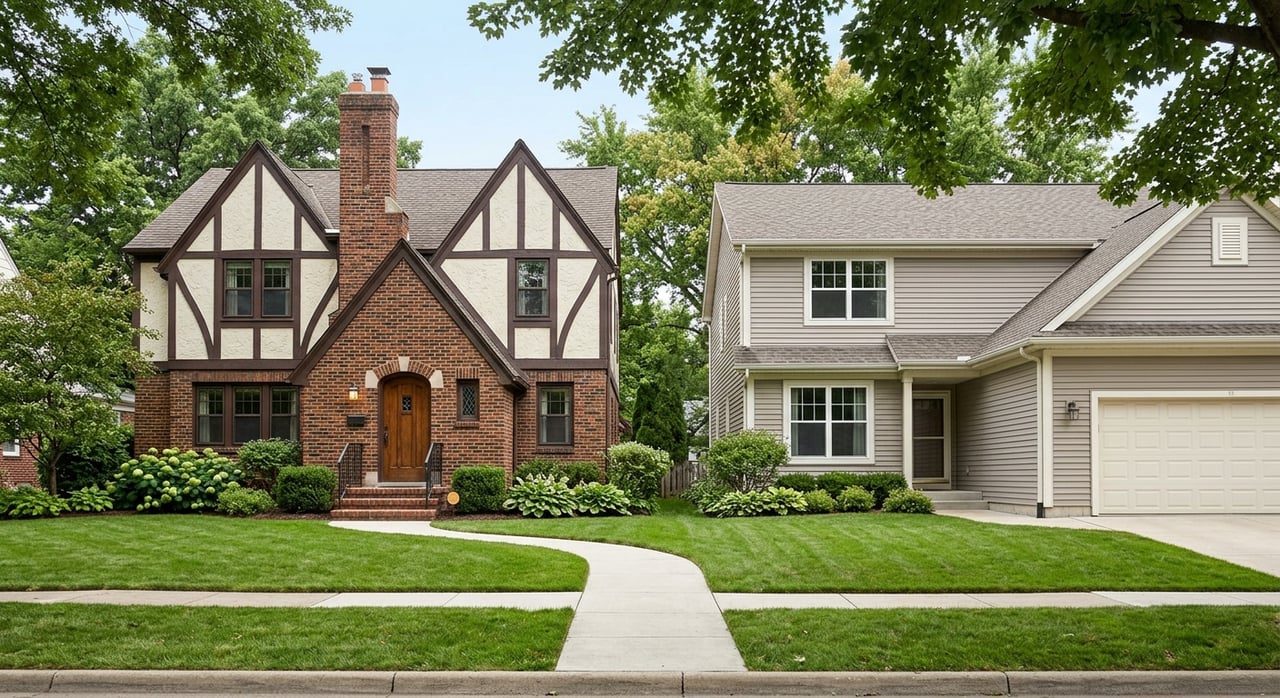
If you are house hunting in Downers Grove, one question can shape your whole search: do you want the character of an older home or the convenience of a newer build? It is a common trade-off, and in this market, the answer is rarely as simple as old equals charming and new equals easy. When you understand how Downers Grove housing stock, lot patterns, upkeep needs, and preservation rules actually work, you can make a smarter move with more confidence. Let’s dive in.
Downers Grove Has a Mixed Housing Story
Downers Grove is often seen as an older suburb, but the housing stock is more varied than many buyers expect. According to CMAP, the median year built is 1974, with 8.9% of homes built in 1939 or earlier, 16.5% built from 1940 to 1959, 38.5% from 1960 to 1979, 21.2% from 1980 to 1999, and 14.9% built in 2000 or later.
That matters because the local decision is not always truly historic versus brand new. In many parts of Downers Grove, you are really comparing prewar or early postwar homes with later mid-century, late-20th-century, or more recent construction.
Historic Charm Means More Than Victorian Details
When people think of a charming older home, they often picture ornate trim and wraparound porches. In Downers Grove, architectural character is broader than that. The village’s architectural materials include styles such as Greek Revival, Italianate, Queen Anne, Colonial Revival, Tudor Revival, Craftsman, Prairie, Chicago Bungalow, Ranch, Split-Level, and later Neo Revival forms.
So if you love older character, your ideal fit might not be a Victorian-era house at all. It could be a Craftsman with original details, a Prairie-influenced home, a Chicago Bungalow, or even a mid-century ranch that reflects the village’s postwar growth.
Where Character Shows Up
The village’s historic building survey looked at areas such as Denburn Woods, Shady Lane Estates, the E.H. Prince Subdivision, and the Maple Avenue/Main Street corridor. The survey found a range of home styles and neighborhood patterns, including Mid-Century Modern, Late Modern Eclectic Split-Level homes, and diverse building types along key corridors.
For you as a buyer, that means historic charm in Downers Grove can show up in several ways:
- Original architectural details
- Mature streetscapes and landscaping
- Distinctive home styles from different eras
- Neighborhood layouts shaped over time rather than all at once
- Older homes near established village amenities
What Newer Builds Usually Offer
A newer build in Downers Grove often appeals to buyers who want a more predictable ownership experience. While “newer” can mean different things locally, it may include homes built in the late 20th century or 2000 and later, depending on your comparison point.
These homes are often attractive for practical reasons. You may find layouts that feel more current, more standardized systems and materials, and fewer concerns about preserving original features.
Why Some Buyers Prefer Newer Homes
If your lifestyle is busy, lower-maintenance living may matter more than period details. Newer homes can be a better fit if you want:
- Less hands-on upkeep
- More consistency in materials and systems
- Fewer preservation-related restrictions
- A simpler path for exterior changes, depending on the property
That does not mean every newer home is carefree. It simply means the maintenance curve is often more predictable than it is with older homes that still have original materials.
Older Homes Often Need More Ongoing Attention
One of the biggest differences between historic-style homes and newer builds is upkeep. Older homes often come with materials and features that reward regular maintenance, especially if you want to preserve their original appearance.
General preservation guidance supports maintaining and repairing historic materials rather than replacing them whenever possible. That can be a plus if you value authenticity, but it can also mean more time, planning, and expense over the years.
Windows, Materials, and Efficiency
Windows are a good example. Older homes commonly have wood window frames and single-pane glazing, while newer energy-efficient homes typically use double- or triple-glazed windows.
For you, that may translate into a trade-off between original character and energy performance. If you love an older home, it is wise to look closely at the condition of windows, trim, roofing, and other exterior materials before you buy.
Historic Status Matters More Than Many Buyers Realize
In Downers Grove, there is an important difference between a historic survey and a formal historic designation. The village says a historic building survey helps provide historical context and research support, but the survey alone does not designate a property as historic, add restrictions, limit changes, or raise taxes.
That is good news for buyers who love older homes but worry every charming property comes with strict rules. The bigger issue is whether a home is formally landmarked or located within a historic district.
When Preservation Review Applies
If a home is landmarked or inside a historic district, the village requires historic review for certain exterior changes. These can include:
- Front-facade window replacement
- Front-facade door replacement
- Demolition
- Additions visible from the street
- Attached garages
- Roof changes that alter height or pitch
For the right buyer, that structure can help protect the character of the home and the surrounding area. For another buyer, it may feel like one more layer to manage before making updates.
Lot Size and Setting Can Influence Your Choice
A home’s age is only part of the equation. Lot size and neighborhood layout also shape how a property lives day to day.
Village planning materials show a wide range in detached-home lot standards. Recent official documents state that R-1 zoning requires 20,000 square feet and 100 feet of width, while R-4 allows 7,500 square feet and 50 feet of width. The same materials note that some blocks include lots around 50 to 60 feet wide, and some irregular parcels may be consolidated to align with current zoning and development patterns.
Why That Matters to You
Older homes may sit on lots that reflect earlier subdivision patterns, while newer projects may be designed around more current development standards. Depending on the property, that can affect:
- Yard space
- Home placement on the lot
- Expansion potential
- Garage configuration
- Overall privacy and outdoor use
If you are comparing an older home and a newer one at a similar price point, the lot can be one of the most important differences.
Location Convenience Can Outweigh Age
In Downers Grove, convenience is not just about what is inside the house. It is also about how the property connects to daily life.
The village is about 22 miles west of Chicago and has three train stations along the BNSF line. It also offers access to downtown parking resources around Main Street and Fairview, nearly 600 acres of parks and facilities, and the public library as a major community amenity.
Think Beyond the Front Door
A charming older home near downtown or near a train station may offer a lifestyle that outweighs extra upkeep. A newer home farther from those daily conveniences may feel like the better practical choice for some buyers, but not all.
As you compare options, think about how much you value:
- Access to train stations
- Nearness to downtown services and retail
- Park access
- Everyday errands and routines
- The feel of an established versus more recently built setting
Resale Value Depends on Fit and Execution
No home style wins automatically on resale. In Downers Grove, a well-located and well-maintained character home can have strong appeal, especially when architecture, condition, and convenience line up.
The village notes that historic districts can help preserve a collection of older homes and may improve property values. CMAP reports a 2022 median residential sales price of $382,000 in Downers Grove, which helps frame the broader market but does not remove the importance of property-specific features.
A Simple Way to Think About Resale
Older homes often attract buyers who are willing to pay for character, setting, and architectural identity. Newer builds often attract buyers who prioritize easier maintenance, updated systems, and fewer exterior considerations.
In other words, resale strength usually comes from matching the right product to the right buyer. Condition, layout, location, and lot are often just as important as age.
Which Option Fits You Best?
If you are drawn to craftsmanship, original materials, and established neighborhood character, an older Downers Grove home may be the right fit. You just want to go in with open eyes about maintenance, energy upgrades, and possible historic review if the property has formal designation.
If you want a more predictable maintenance path and fewer preservation-related considerations, a newer build may suit your lifestyle better. Neither choice is better across the board. The best choice is the one that fits how you want to live, what projects you are willing to take on, and how long you plan to stay.
If you are weighing older charm against newer convenience in Downers Grove, the smartest next step is to compare specific homes, locations, and long-term ownership costs side by side. For tailored guidance on buying or selling in the western suburbs, connect with Christopher Cobb.
FAQs
What counts as a historic home in Downers Grove?
- In Downers Grove, an older home is not automatically a formally historic property. The village distinguishes between a historic survey, which provides background information, and formal landmark or historic-district designation, which is what can trigger preservation review.
Are all older Downers Grove homes under preservation rules?
- No. The village states that a historic building survey alone does not add restrictions or limit changes. Preservation review applies when a property is formally landmarked or located in a historic district.
What are the main benefits of newer builds in Downers Grove?
- Newer builds often appeal to buyers who want more predictable maintenance, updated materials and systems, and fewer preservation-related exterior considerations.
What upkeep issues should buyers expect with older Downers Grove homes?
- Older homes may require more regular maintenance, especially for original materials such as wood windows and exterior trim. Energy efficiency upgrades can also be more of a factor when older features remain in place.
Does Downers Grove have a lot of truly old housing stock?
- Downers Grove has a mix of housing ages. CMAP reports a median year built of 1974, with 8.9% of homes built in 1939 or earlier, so the market includes older character homes but is not made up entirely of historic-era housing.
How should buyers compare historic homes and newer builds in Downers Grove?
- Start with your priorities: character, upkeep tolerance, location, lot size, and future renovation plans. In Downers Grove, the better fit often comes down to how those factors balance for your lifestyle rather than the home’s age alone.