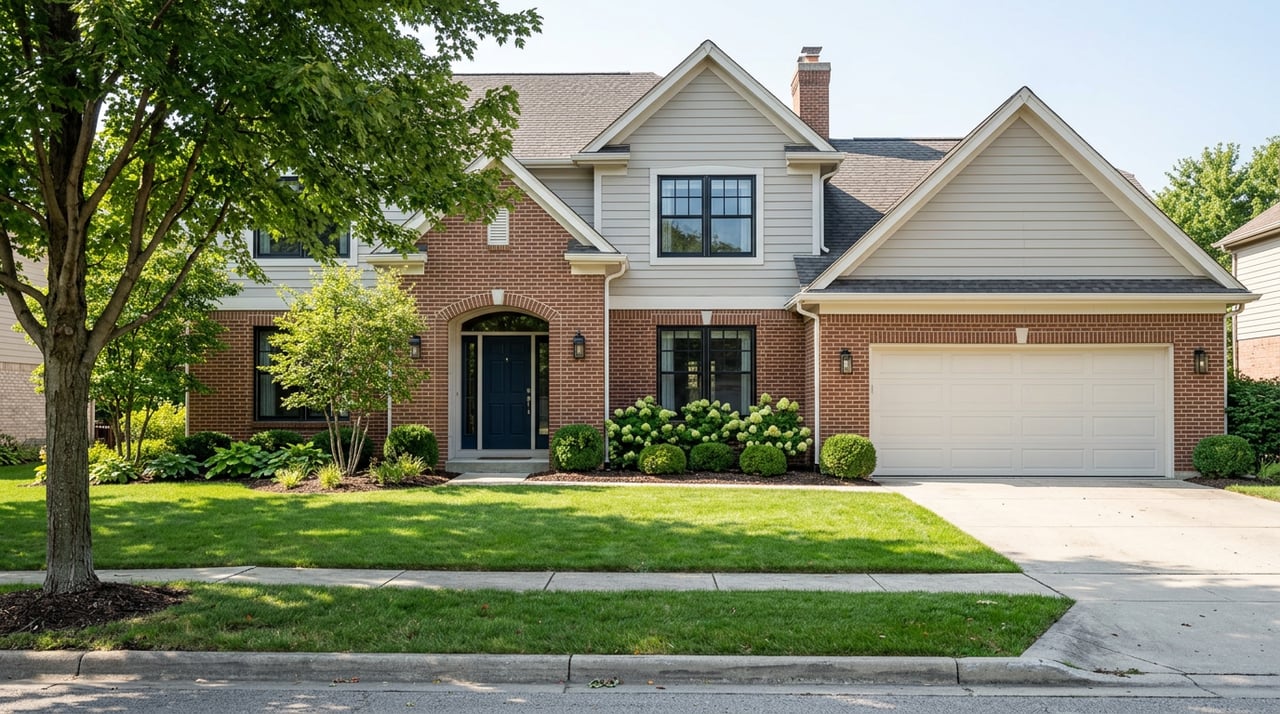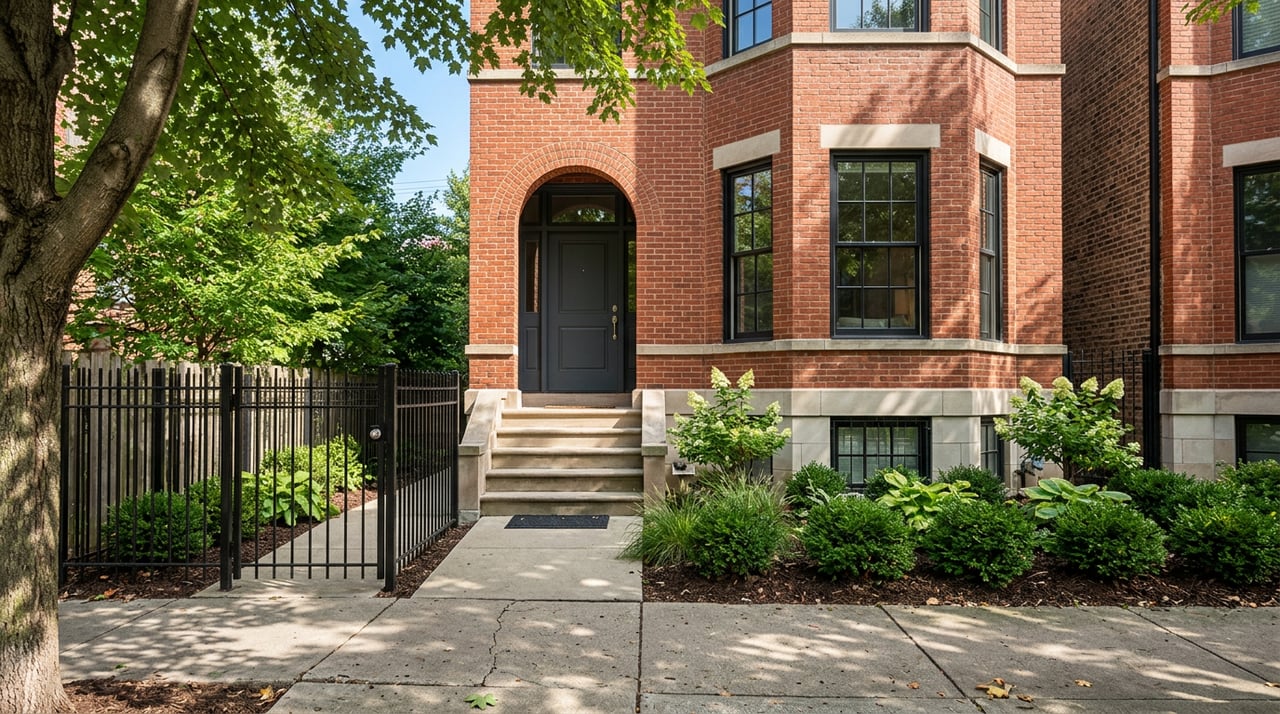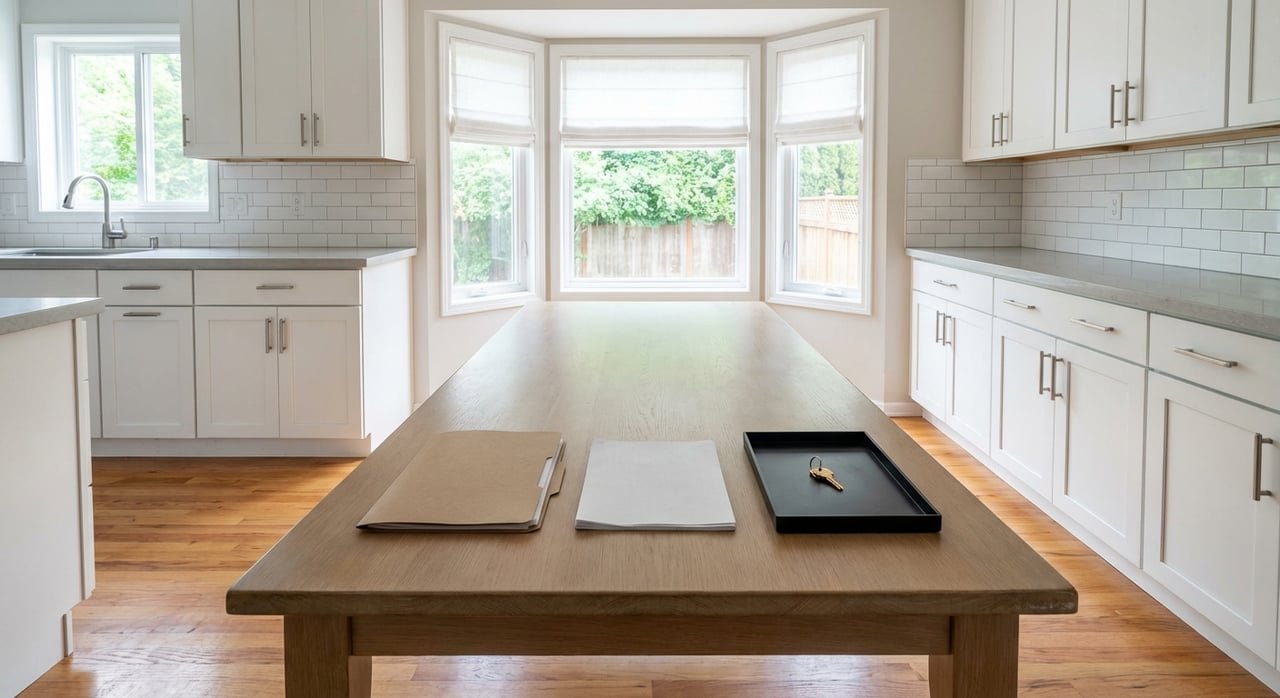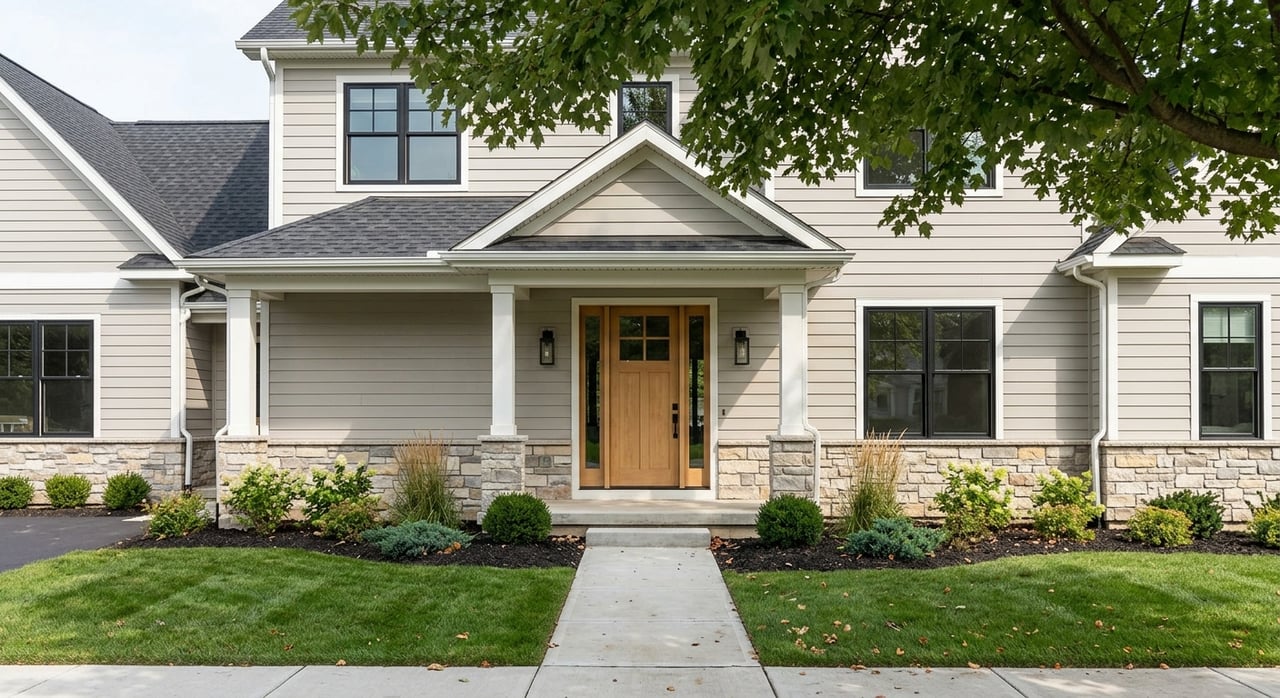
Thinking about buying new construction in Plainfield? You are not alone. This fast-growing village offers the appeal of newer homes, expanding amenities, and a community feel that is still actively taking shape. If you want more space, modern layouts, and access to parks, trails, and a lively downtown, Plainfield deserves a closer look. Let’s dive in.
Why Plainfield Stands Out
Plainfield sits about 35 miles southwest of Chicago and offers access to several interstates and state highways, according to the Village of Plainfield. That location helps explain why so many buyers look here when they want suburban space without losing regional connectivity.
Growth is a big part of the story. The U.S. Census QuickFacts page for Plainfield estimates 48,881 residents and 14,634 households in 2024, with an 88.0% owner-occupied rate and a median owner-occupied home value of $431,400. The same source reports a median household income of $144,000 and an average household size of 3.17, which gives you a sense of the market Plainfield serves.
The village also notes that Plainfield has been one of the faster-growing communities in Illinois, with local officials estimating roughly 10% growth since 2020 and requesting a special census in 2025 through its economic development overview. For you as a buyer, that means new construction is part of a bigger pattern, not a short-term blip.
What New Construction Means in Plainfield
In Plainfield, new construction is not just about brand-new homes. It is also about living in a community that is still evolving. Roads, utilities, neighborhood amenities, and even attendance boundaries may continue to change as development moves forward.
The village’s Planned Development process is designed to support projects that are more environmentally sensitive, economically viable, and aesthetically pleasing than a standard zoning approach might allow. The village also states that its design guidelines are aimed at residential quality of life, which is an important detail if you are comparing newer neighborhoods.
At the same time, newer subdivisions often come with costs beyond the advertised base price. The village’s development and impact fee page shows that new residential construction must account for school, park, library, fire, water, and sanitary tap-on fees. That does not mean you should avoid new construction, but it does mean you should budget carefully from the start.
Active Growth Across Newer Subdivisions
Residential growth in Plainfield is still active. In its 2025 attendance-boundary update, Plainfield Community Consolidated School District 202 said about 1,000 housing units were built in the last year and identified several subdivisions tied to current growth, including Arbor of Plainfield, Creekside Crossing North, Fieldstone, Indian Oaks, Leewood, Renwick Place, River Point, South Pointe, Vintage Harvest, and Wallin Woods.
That kind of pace matters when you are choosing where to buy. A newer neighborhood may offer fresh streetscapes, modern floor plans, and newer infrastructure, but it may also be part of a phased build-out. You could move into a finished home while nearby sections are still under construction.
The village’s public improvements page notes a $5 million annual street improvement program along with ongoing corridor, utility, and intersection work. In practical terms, you may benefit from updated public investment while also living near active construction or traffic changes during growth periods.
Neighborhood Lifestyle in Plainfield
One of the biggest reasons buyers consider Plainfield is lifestyle. Newer subdivisions often bring the space and layout buyers want, while the broader village offers places to gather, get outdoors, and enjoy local events.
Downtown is a major part of that lifestyle mix. The village describes Downtown Plainfield as a pedestrian-focused destination for shopping, dining, and entertainment, with recurring events such as Plainfield Fest, classic car nights, movies, and concerts. If you like the idea of living in a newer home while still having a recognizable town center nearby, Plainfield offers that balance.
Parks and Recreation Access
Plainfield also delivers strong park access. The Plainfield Park District says it manages 91 parks across about 1,500 acres, with 64 playgrounds, 2 skate parks, 3 dog parks, 25 basketball courts, pathways, bike trails, and multiple recreation facilities.
That scale gives you options across different parts of the village. For many buyers, especially those comparing suburban communities, access to parks and trails can shape how a neighborhood feels day to day.
A standout local amenity is Settlers’ Park, a downtown park of more than 20 acres with an amphitheater, lake, history walk, StoryWalk, playground, picnic shelter, and walking trails. The village says it was developed to connect the community with nature and provide a place to gather, which fits well with Plainfield’s broader lifestyle appeal.
The park district’s PARC recreation center is another notable amenity. Opened in 2019, this 40,000-square-foot facility is Passive House certified and net-zero, showing a local commitment to energy-conscious public design.
Riverfront and Trail Connectivity
Plainfield’s long-term plans also point to more outdoor connectivity ahead. The village’s Riverfront Master Plan calls for trails, passive and active recreation, scenic overlooks, parking, and a paddlecraft launch.
The village also says the trail network may eventually connect downtown to the Plainfield Small Business Park and the Pace Park-n-Ride. For you, that signals a community still investing in how residents move, gather, and spend time outdoors.
Commuting From Plainfield
If commuting is part of your decision, Plainfield’s transit options are worth understanding clearly. The village says Pace routes 755 and 855 serve the Plainfield Park-n-Ride, and route 755 ends at Union Station. The village also notes that free parking is available at the park-n-ride.
Road access is also evolving with growth. The 143rd Street corridor project is intended to reroute Illinois Route 126 away from downtown, reduce congestion, and create room for growth west of Plainfield. The project also includes a shared-use path and a DuPage River bridge, so it matters for both commuting and neighborhood connectivity.
What Buyers Should Verify Before Purchase
New construction can feel straightforward because everything is new, but there are still important details to confirm before you move forward. In a growing community like Plainfield, those details can affect your budget, commute, and day-to-day expectations.
Here are a few smart items to verify:
- Total purchase costs, including impact fees and builder add-ons beyond the base price
- Construction timelines, especially if the subdivision is being built in phases
- Nearby road or utility work, which may affect access or noise in the near term
- Transit and driving routes, based on your actual commute pattern
- School assignment details, since district boundaries may adjust as growth continues
District 202 serves about 25,000 students across a 64-square-mile area, according to the district’s at-a-glance page. The district has also said its 2025 boundary work was driven by growth, uneven enrollment, and new development, which is why it is wise to verify school assignment directly before purchase rather than assume it will stay the same.
The Plainfield Tradeoff Buyers Should Expect
Every market has tradeoffs, and Plainfield is no different. In many newer subdivisions, you may get more space, newer streets, and access to expanding amenities. You may also be buying into a village that is still actively planning, building, and adjusting to growth.
For many buyers, that is exactly the appeal. Plainfield offers the feel of a community with momentum, where downtown, parks, infrastructure, and residential development are all part of a bigger story. If you want a newer home in a suburb that still has room to evolve, Plainfield is a market worth watching closely.
When you are weighing neighborhoods, builders, and long-term value, local guidance can make the process much easier. If you are exploring Plainfield new construction or planning a move in the western suburbs, Christopher Cobb can help you compare options, understand the market, and move forward with confidence.
FAQs
What is new construction living like in Plainfield, IL?
- New construction living in Plainfield often means newer homes, modern layouts, expanding neighborhood amenities, and a community that is still growing through new subdivisions and public improvements.
What should buyers budget for with new construction in Plainfield?
- Buyers should look beyond the base home price and account for items such as school, park, library, fire, water, and sanitary tap-on costs listed by the village.
What amenities support neighborhood lifestyle in Plainfield?
- Plainfield offers a pedestrian-focused downtown, Settlers’ Park, a large park district system with 91 parks, trails, recreation facilities, and planned riverfront improvements.
What are commuting options from Plainfield, IL?
- Plainfield offers commuter-bus service through Pace routes 755 and 855 from the Plainfield Park-n-Ride, and road projects like the 143rd Street corridor are intended to improve traffic flow and connectivity.
Why should buyers verify school assignment in Plainfield new construction neighborhoods?
- Buyers should verify school assignment because District 202 has said growth, uneven enrollment, and new development are driving attendance-boundary updates.