Rising mortgage rates change the math on buying and selling in Wheaton. If you are planning a move, you are likely asking how a higher rate affects your monthly payment, your list price, and your timing. You are not alone. Many buyers and sellers are recalibrating plans right now.
In this guide, you will learn how rates influence purchasing power, days on market, and negotiations in Wheaton, plus simple tactics you can use to move forward with confidence. We will also walk through a clear hypothetical so you can see the payment math for yourself. Let’s dive in.
How higher rates change your budget
Mortgage rates determine how much loan you can carry for a given monthly payment. When rates rise, the same payment supports a smaller loan, which reduces your maximum purchase price unless you change other variables, like down payment or loan type.
Here is a simple way to think about it:
- Start with a target monthly payment for principal and interest.
- Add estimates for property taxes, homeowners insurance, and any HOA fees to see your full monthly housing cost.
- Use a mortgage calculator to compare two rate scenarios. Keep the same payment target to see how the affordable purchase price changes.
- Adjust down payment, loan term, or loan product to see how you can offset the change.
DuPage County property taxes are a meaningful part of the monthly payment, so they matter in your affordability planning. Focus on your total monthly housing cost, not just the rate.
A simple hypothetical
Example only, not current rates. Assumptions: 30-year fixed loan, 20 percent down, $3,000 per month budget for principal and interest only.
- At a 4.0 percent rate, $3,000 per month supports a loan of roughly $628,900. With 20 percent down, that equals a maximum purchase price near $786,000.
- At a 6.0 percent rate, the same $3,000 supports a loan of roughly $500,400. With 20 percent down, that equals a maximum purchase price near $625,000.
That shift reduces buying power by about 20 percent in this example. Your exact numbers will vary based on taxes, insurance, credit score, loan-to-value, and product type. Run your own scenarios to see the impact at your budget level.
What it means in Wheaton
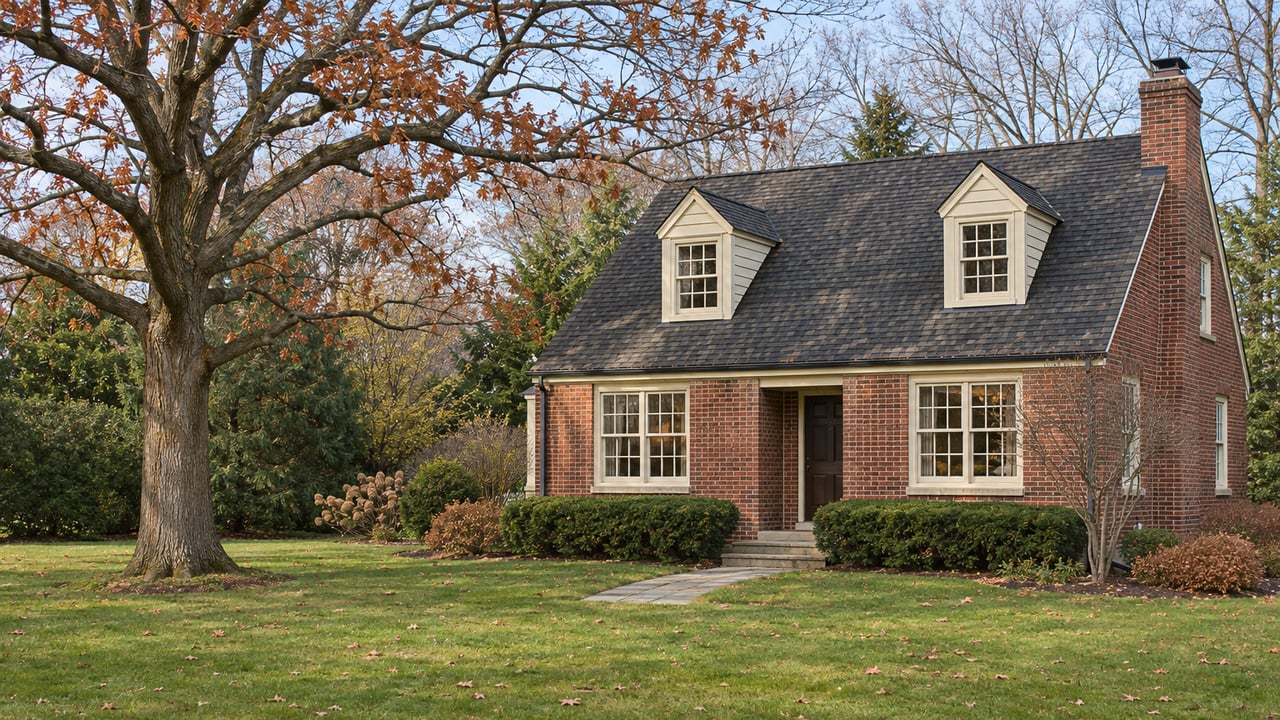
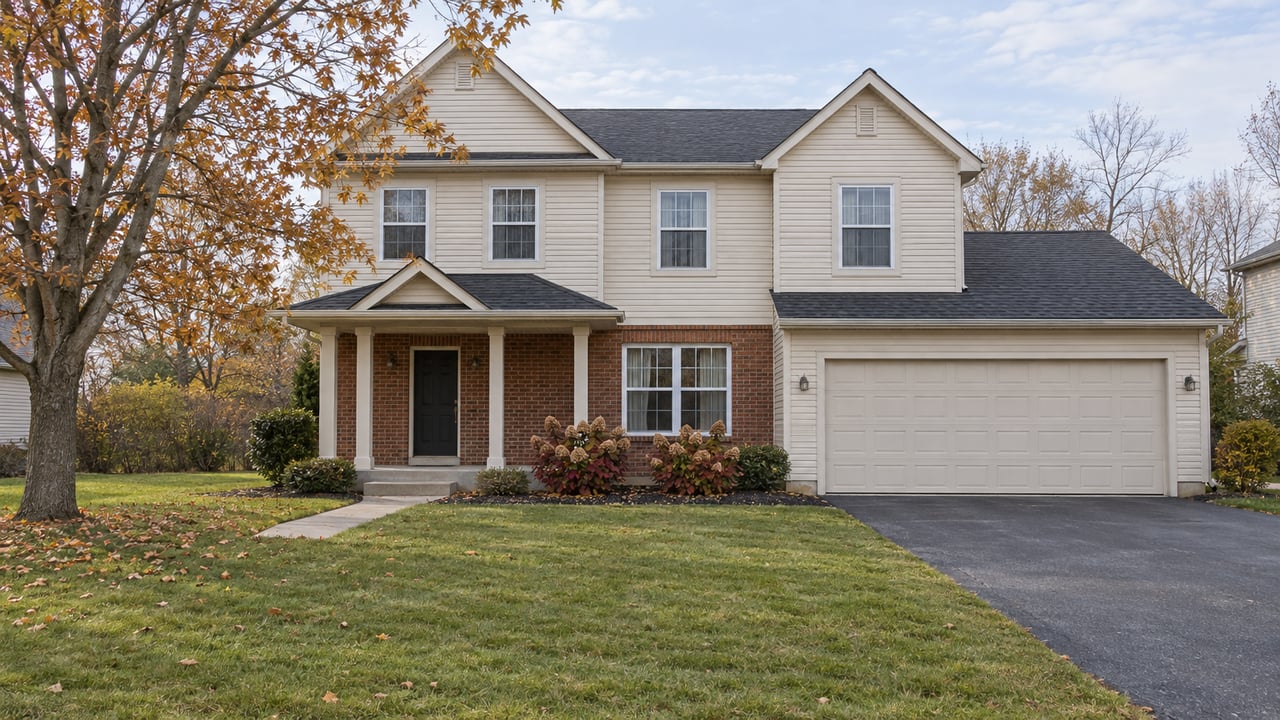
Wheaton is a mature suburb with a large share of single-family homes, a commuter rail presence, and established neighborhoods that appeal to many household types. Rate changes tend to ripple through the market in predictable ways.
Buyer impacts in Wheaton
- Purchasing power is tighter for first-time and move-up buyers who rely on conventional financing. Many start looking at smaller homes, townhomes, or nearby lower-priced areas to keep payments in range.
- More buyers consider alternative financing, like adjustable-rate mortgages or FHA loans, to manage initial payments. These can help in the short term but require careful evaluation.
- Total cost matters more. Property taxes and insurance are front and center in decision-making because they affect monthly affordability as much as the interest rate.
Seller impacts in Wheaton
- Fewer qualified buyers can mean longer marketing periods, especially for homes above local affordability benchmarks. Pricing and condition become more important.
- Entry-level homes often still draw attention, yet bidding wars are less frequent and buyers bring more contingencies.
- Concessions become common. You may see requests for closing-cost credits, seller-paid rate buydowns, or repair allowances in negotiation.
Timing and seasonality
Seasonal patterns still matter. Activity tends to lift in spring and early summer, which can help absorption. Families often plan moves around the school calendar, so timing your listing or search with that window can improve results even when rates are higher.
Strategies for Wheaton buyers
Use these practical moves to protect your budget and keep options open:
- Consider rate buydowns
- Temporary buydown, such as a 2-1 buydown, lowers the rate in the first years then steps up later. It can bridge a period until you refinance or your income grows.
- Permanent buydown means paying discount points to lower the rate for the full term. A common rule of thumb is that 1 point equals 1 percent of the loan amount and can reduce the rate by about 0.25 percent. Ask lenders for exact pricing and calculate your break-even period.
- Evaluate adjustable-rate mortgages
- ARMs can start with a lower rate and payment. They are best suited if you plan to move or refinance before the first adjustment. Understand caps, reset timing, and worst-case scenarios.
- Increase down payment if feasible
- A larger down payment reduces the loan amount and monthly payment. It can also help you avoid mortgage insurance and may improve your rate.
- Shop lenders and lock strategically
- Compare quotes from multiple lenders. Ask about rate locks, float-down options, and lock extensions if your timeline is uncertain.
- Ask for seller concessions
- In a high-rate market, sellers may contribute to buydowns or closing costs to keep a deal moving. Structure your offer so the concession targets your monthly payment.
- Focus on total housing cost
- Build your budget with principal, interest, taxes, insurance, and HOA if applicable. In DuPage County, taxes can materially affect monthly affordability.
Strategies for Wheaton sellers
Small changes in strategy can create a big difference in buyer response and time to contract:
- Price to current demand
- Use the most recent comparable sales and absorption trends, not last year’s peak. Pricing realistically reduces days on market and supports stronger offers.
- Offer targeted incentives
- A seller-paid rate buydown or closing-cost credit can be more effective than a large price cut. These incentives help buyers manage payments while keeping your contract price intact for future comparable sales.
- Improve sale readiness
- Address minor repairs, complete light updates, and invest in professional staging and marketing. Making your home easy to say yes to reduces friction for payment-sensitive buyers.
- Be flexible on terms
- Shorter closing, flexible occupancy, and including appliances can widen your buyer pool without lowering price.
- Consider timing
- If you have flexibility and expect rates to shift, timing your listing for peak seasonal demand can help. Balance this with carrying costs for your current property.
Price vs buydown trade-offs
You have two main levers: price and financing concessions. A price reduction lowers the buyer’s loan size and payment marginally. A seller-paid buydown applies dollars toward the buyer’s rate, which can reduce the monthly payment more efficiently for the same cost and preserve your contract price in public records.
For buyers, paying points to lower the rate can make sense if you will hold the loan long enough to reach break-even. For sellers, funding a temporary or permanent buydown can unlock demand without deeper price cuts. Always model the side-by-side payment numbers with your lender before deciding.
What to watch in the local market
Higher rates often show up first in key indicators. Keep an eye on:
- Purchasing power shifts at common price points.
- New listings and active inventory levels in Wheaton.
- Median days on market and list-to-sale price ratios.
- The share of cash versus financed sales.
- Months of supply across different property types and price tiers.
These signals help you align pricing, incentives, and timing with today’s demand.
Your next step in Wheaton
Whether you are buying, selling, or both, you can move confidently in a higher-rate market with clear numbers, tailored strategy, and hands-on execution. The Cobb Team brings decades of local experience, premium marketing, and skilled negotiation to help you protect value and reach your goals.
If you want a personalized affordability analysis or a pricing plan for your Wheaton home, we are here to help. Get your free home valuation and talk strategy with Christopher Cobb.
FAQs
How do higher rates affect affordability in Wheaton?
- Higher rates reduce the loan amount supported by the same monthly payment, which lowers the maximum purchase price unless you adjust down payment, loan term, or loan product.
Should I wait to buy until rates drop?
- It depends on your timeline, carrying costs, and risk tolerance. Weigh potential price changes against rate uncertainty and run side-by-side scenarios for today versus waiting.
Can a price cut solve the payment issue for buyers?
- Yes, but a seller-paid rate buydown or closing-cost credit may reduce the buyer’s payment more efficiently while keeping the sale price intact for comparable sales.
Are adjustable-rate mortgages a smart option now?
- ARMs can lower initial payments and work well if you plan to move or refinance before the first reset. Understand the adjustment schedule, caps, and worst-case payment.
What does a rate buydown typically cost?
- Costs vary by lender and market. A common guideline is that 1 discount point equals 1 percent of the loan amount and can reduce the rate by about 0.25 percent. Calculate your break-even before deciding.